The Psychology Behind Slot Machine Design: How Casinos Keep You Spinning
Online slots are the most popular games in both digital and land-based casinos, accounting for more than 70% of all casino revenue globally. But what keeps players coming back to spin those reels? Beyond flashing lights and catchy sounds, slot machines are carefully engineered using psychological principles to maximize engagement. Understanding the psychology behind slot machine design can help you become a more informed player and avoid common pitfalls.
How Visual and Audio Cues Influence Slot Play
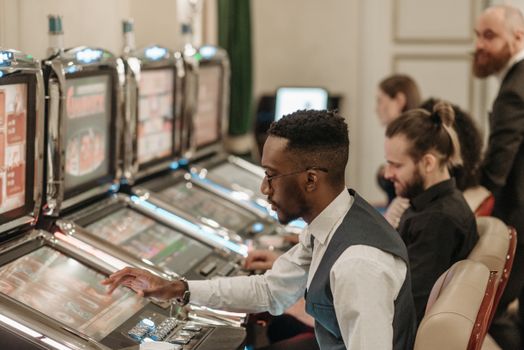
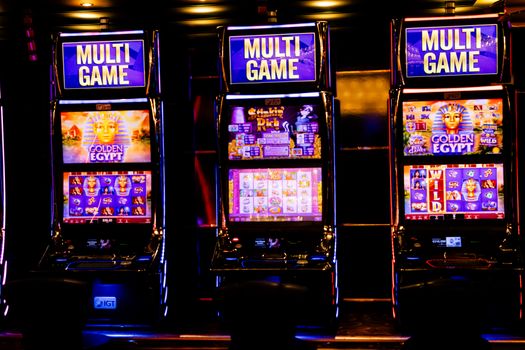
Slot games are a feast for the senses. Their vibrant colors, animated reels, and immersive soundtracks are not chosen at random. Instead, game developers employ these elements to create an environment that feels exciting and rewarding, even when you’re not winning.
For instance, research published in the Journal of Gambling Studies (2012) found that players’ excitement levels spiked with every win—even small ones—due to celebratory sounds and reinforcing animations. These cues give the illusion of frequent success, a phenomenon known as “losses disguised as wins.” Even if your payout is less than your original bet, the game may play upbeat music and trigger fanfare, making you feel like you’re ahead.
.png)
A typical slot machine makes over 400 sound effects per hour, and colors like red and gold are often used because they are associated with luck and excitement in many cultures. These effects aren’t accidental; they’re designed to keep your attention and increase the duration of play.
The Role of Near-Misses and Random Rewards
One of the most compelling psychological tricks in slot design is the use of near-misses. Near-misses occur when the reels stop just short of a big win—say, two jackpot symbols and a third just above or below the payline. Studies from the University of Alberta (2010) show that near-misses trigger the same brain regions as actual wins, encouraging players to keep spinning in pursuit of that “almost-there” feeling.
Additionally, slot machines operate on what’s called a variable ratio reinforcement schedule. This means rewards (wins) are given out randomly and unpredictably, which is the same principle that makes gambling and even social media notifications so addictive. This unpredictability keeps players engaged, as they never know when the next big payout might occur.
Betting Options and Player Control Illusions
Modern online slots offer a vast array of betting options, paylines, and bonus features. While these choices seem to give players more control, the outcome is still determined by a Random Number Generator (RNG). Multiple studies confirm that the illusion of control—believing your choices influence the outcome—can increase the amount of time and money spent on slots.
For example, multi-line betting lets players wager on dozens of paylines at once. Players feel more engaged, but the odds of winning on any given spin remain unchanged. According to the UK Gambling Commission, the average slot machine payout is about 96% RTP (Return to Player), but this is calculated over millions of spins, not individual sessions.
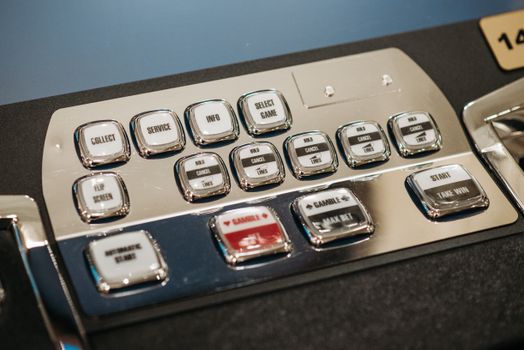
Furthermore, “stop” buttons and “skill features” may make you feel you’re directly affecting the reels, but these are purely cosmetic. The outcome is determined the moment you hit spin, regardless of any additional input.
Time Distortion and Session Length: Why You Lose Track of Time
Slot machines are engineered to make players lose track of time. In both physical and online casinos, features like uninterrupted gameplay, auto-spin options, and absence of clocks or windows contribute to a phenomenon known as “time-on-device.” A 2017 study by the National Council on Problem Gambling found that 41% of slot players had sessions that lasted longer than intended.
Online slots amplify this effect with quick spin features, seamless transitions between games, and engaging bonus rounds. Some games even let you play up to 100 auto-spins without interruption, making it easy to get caught up in the action. This time distortion can lead to longer play sessions and increased spending, especially for players who aren’t keeping track of their bankroll.
Player Retention Mechanisms: Loyalty, Gamification, and Personalized Offers
Casinos and game developers use sophisticated retention strategies to keep players coming back. Loyalty programs, achievement badges, and personalized bonuses are all designed to reward frequent play and encourage you to return.
For example, online casinos often offer “missions” or “challenges” where players earn points or unlock features by playing certain slots or reaching milestones. These gamification elements tap into our desire for achievement and progression, much like video games.
Personalized offers—such as free spins, tailored bonuses, or exclusive tournaments—are based on your playing habits. According to a 2020 report by the European Gaming & Betting Association, personalized promotions can increase player retention by up to 35%. While these rewards may seem generous, they’re ultimately designed to increase the lifetime value of each player to the casino.
Comparison Table: Key Slot Machine Psychological Tricks
| Design Feature | Psychological Effect | Example/Statistic |
|---|---|---|
| Losses Disguised as Wins | Creates false sense of success | Over 70% of spins in some slots result in a “celebratory” loss |
| Near-Misses | Triggers reward pathways, encourages continued play | Near-misses increase play time by up to 30% (U. of Alberta study) |
| Variable Ratio Rewards | Makes outcomes unpredictable and addictive | Slot payout frequency is random, keeping players engaged |
| Multi-Line Betting | Gives illusion of control | Doesn’t change RTP, but increases engagement |
| Time-on-Device Features | Players lose track of time | 41% of slot players exceeded intended playing time (NCPG 2017) |
Staying Informed: Playing Slots with Awareness
Understanding the psychological design behind slot machines can help you make more conscious decisions when playing. Here are a few practical tips:
- Set a timer or alarm before you start playing to avoid losing track of time. - Remember that outcomes are random; no feature or “strategy” can change the odds set by the game’s RTP. - Treat small wins and near-misses as entertainment, not as signs you’re “due” for a big payout. - Take frequent breaks, especially if you notice you’re being drawn in by sights and sounds.By staying mindful of how slot machines are engineered to engage you, you can enjoy online slots for what they are—a form of entertainment—while minimizing the risks of overspending or problem gambling.