The Psychology of Slot Machines: How Design and Features Influence Player Behavior
Slot machines have long been a centerpiece of both land-based and online casinos, attracting millions of players worldwide. While the thrill of spinning reels and the chance for big wins are obvious draws, there's a deeper layer at play: the psychology behind slot machine design. Understanding how game developers use psychological principles to influence player behavior can give you a new perspective on your gameplay and help you make more informed choices. In this article, we’ll explore the science-backed strategies that make slots so engaging, examine the features that keep players spinning, and offer tips to stay in control while playing.
Understanding the Allure: Why Players are Drawn to Slot Machines
Slot machines are one of the most popular forms of gambling, both online and in physical casinos. In 2023, the American Gaming Association reported that slot machines accounted for over 70% of casino floor revenue in the United States, totaling more than $40 billion. But what makes these games so appealing?
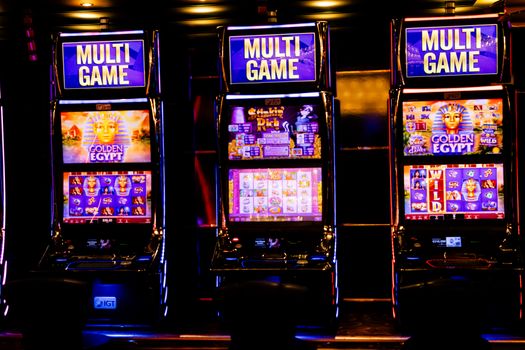
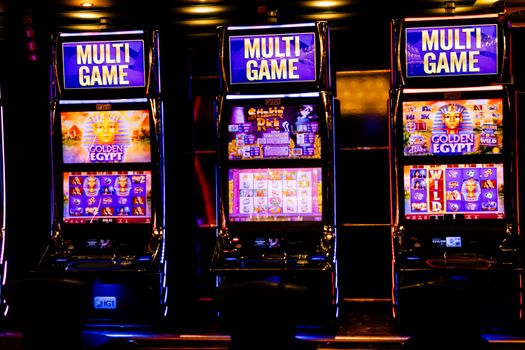
One key factor is the design simplicity. Unlike table games, slots require no special knowledge—players simply press a button or pull a lever. But behind this apparent simplicity, developers employ advanced psychological techniques. The combination of vibrant colors, engaging sounds, and dynamic animations is carefully crafted to stimulate the brain’s reward system.
.png)
Another psychological element is the concept of “near-misses.” Studies published in the Journal of Gambling Studies have shown that near-misses—situations where the reels almost land a jackpot—trigger the same brain regions as actual wins. This effect compels players to continue playing, hoping for that elusive big payout.
Variable Rewards and the Power of Unpredictability
A major psychological principle that underpins slot machine design is the use of variable-ratio reinforcement. Unlike fixed rewards, variable rewards are delivered at unpredictable intervals. This is the same principle that drives people to check their smartphones repeatedly: the anticipation of an unexpected reward is highly motivating.
In slot machines, this unpredictability is created by a random number generator (RNG), which ensures each spin is independent. The player never knows when the next win will occur, making every spin feel full of potential. Research from the University of Waterloo found that this unpredictability increases excitement and prolongs play sessions, even when players are experiencing losses.
Sound, Light, and Immersion: Sensory Triggers in Slot Games
Slot machines are a feast for the senses. The combination of flashing lights, celebratory music, and immersive graphics is not just for entertainment—it’s a deliberate strategy to keep players engaged. A study by Dixon et al. (2014) revealed that the celebratory sounds and visuals that follow even small wins can lead players to overestimate their overall success, a phenomenon known as the “illusion of control.”
Online slots take this a step further with high-definition graphics, thematic music, and even interactive bonus rounds. These sensory triggers create an immersive experience, blurring the line between gambling and entertainment. The use of familiar themes—such as movies, TV shows, or cultural icons—also enhances emotional attachment to the game, encouraging longer play sessions.
Gamification: Achievements, Levels, and Loyalty Schemes
Modern online slots often incorporate gamification elements—features borrowed from video games—to deepen player engagement. These can include:
- Achievement badges - Progress bars - Level-up features - Loyalty rewards (such as daily bonuses or VIP points)Gamification taps into players’ desire for accomplishment and progression. For example, a player might receive a badge for triggering a certain bonus round or for playing a set number of spins. According to a 2022 survey by Statista, over 60% of online casino players said they were more likely to return to a game that offered achievements or loyalty rewards.
Losses Disguised as Wins: How Slot Machines Blur Reality
Not all wins are created equal. One subtle psychological trick used by slot machines is the “loss disguised as a win” or LDW. This occurs when a player receives a payout that is less than their original bet, but the machine still celebrates with lights and sounds as though a significant win has occurred.
For example, if you bet $1 on a spin and win back $0.40, the game may still play a celebratory animation. Research from the University of British Columbia found that LDWs can trick players into thinking they are winning more often than they actually are, leading them to underestimate their losses over time.
Here’s a quick comparison of win types:
| Outcome | Bet Amount | Payout | Celebration | Actual Result |
|---|---|---|---|---|
| Big Win | $1.00 | $10.00 | Yes | Profit |
| LDW | $1.00 | $0.40 | Yes | Loss |
| Plain Loss | $1.00 | $0.00 | No | Loss |
Tips for Staying in Control: Practical Strategies for Players
Understanding the psychological tricks behind slot machine design can help you stay in control of your gambling. Here are some practical tips:
1. Set time and money limits: Decide in advance how much time and money you’re willing to spend, and stick to it. The National Council on Problem Gambling suggests taking regular breaks and using casino tools like time reminders and deposit limits. 2. Track your wins and losses: Keep a record of your actual financial results. This can counteract the illusion created by frequent small wins or LDWs. 3. Beware of chasing losses: The unpredictable nature of slots can encourage players to try to win back losses. Remember that all outcomes are random, and there’s no guarantee that a big win is just around the corner. 4. Focus on entertainment value: View slots as a form of paid entertainment, not an investment. This mindset can help you avoid frustration and disappointment. 5. Use responsible gambling features: Many online casinos offer tools for self-exclusion, cooling-off periods, and activity statements. Taking advantage of these features can help you keep your gambling in check.The Impact of Psychological Design on Responsible Gambling
While the psychological design of slot machines is effective at engaging players, it can also contribute to problematic gambling behaviors if not approached with care. In fact, a 2021 study in the journal Addiction found that players exposed to more immersive slot features were at higher risk of developing gambling-related problems.
Regulatory bodies are increasingly aware of these risks. For instance, the UK Gambling Commission now requires online casinos to implement features such as spin timers and clear win/loss notifications to help players make more informed decisions.
Being aware of how slot machines are designed to capture your attention—through sensory triggers, variable rewards, and gamification—can empower you to play more mindfully and avoid common pitfalls.
Key Takeaways: The Psychology Behind Slot Machine Popularity
Slot machines are more than just games of chance—they’re meticulously engineered experiences designed to maximize excitement, engagement, and retention. From the use of sensory triggers and near-misses to gamification and LDWs, every element is crafted to keep players spinning.
By understanding these psychological mechanisms, you can approach slot play with greater awareness and control. Remember, while slot machines are designed to be entertaining, it’s important to play responsibly and recognize when the game’s appeal is being amplified by deliberate design choices.