The Psychology Behind Slot Machines: How Game Design Affects Player Behavior
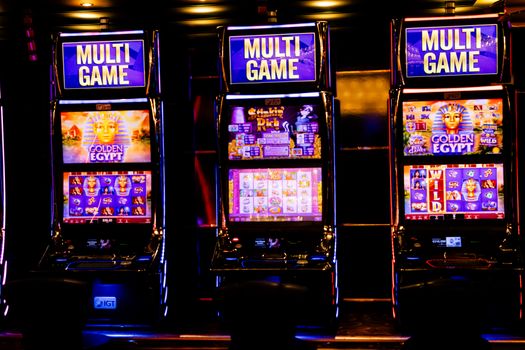
Slot machines are often seen as simple games of chance, but beneath their colorful reels and catchy soundtracks lies a complex world of psychological design. From the layout of symbols to the pacing of wins and losses, every element of a slot game is engineered to heighten excitement and keep players engaged. Understanding the psychological tricks and design choices behind slot machines can help players make more informed decisions and recognize the influences at play during their gaming sessions.
The Science of Engagement: Why Slots Are So Captivating
Slot machines are the most popular casino game worldwide, with over 900,000 machines in the United States alone as of 2023. Their appeal is not merely due to the possibility of winning money but also because they expertly manipulate human psychology.
One of the key elements is the use of intermittent reinforcement, a concept rooted in behavioral psychology. Unlike consistent rewards, intermittent reinforcement provides payouts at random intervals, making the brain crave the next win. This unpredictability triggers the release of dopamine, the “feel-good” neurotransmitter, which reinforces the urge to keep playing. Studies show that even near-miss outcomes—where the symbols almost align for a big win—activate similar neural pathways to actual wins, increasing the desire to continue.
.png)
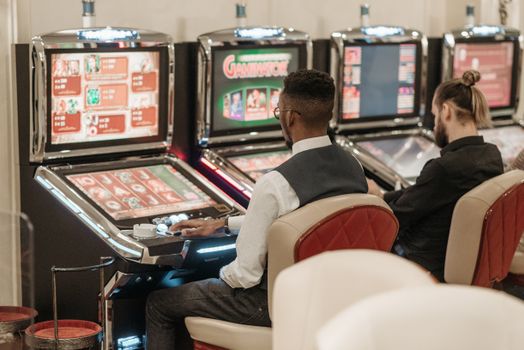
Moreover, slot machines are designed to be easy to play, requiring little to no skill. This accessibility draws in novice gamblers and keeps the barrier to entry low. The immersive experience is further enhanced by engaging graphics, thematic soundtracks, and celebratory animations, all designed to create a sense of excitement and anticipation.
How Visual and Audio Elements Influence Player Decisions
The look and sound of slot machines are far from arbitrary; they are meticulously crafted to maximize playtime. Here are a few key design techniques:
- $1: Bright, flashing lights signal wins, bonuses, and special features. Red and gold hues are commonly used, as research has shown these colors can stimulate excitement and a sense of urgency. - $1: Winning combinations are accompanied by triumphant jingles, while near-misses or losses are played down with softer tones. One study found that 80% of slot machine sounds are celebratory, even if the player’s win is less than their original bet—known as a “loss disguised as a win.” - $1: Spinning reels and dynamic animations keep the player focused on the screen. When a bonus round is triggered, the graphics become even more elaborate, increasing arousal and anticipation.These sensory cues are not just for show—they are proven to extend gaming sessions. A 2019 study published in the journal $1 found that players exposed to more immersive audio-visual effects played longer and wagered more than those with simpler interfaces.
Near-Misses and the Illusion of Control
One of the most powerful psychological tools in slot machine design is the near-miss. This occurs when the reels stop just one symbol away from a jackpot or bonus, creating the illusion that a win is within reach. Although the outcome is entirely random, near-misses can lead players to believe their chances of winning are increasing.
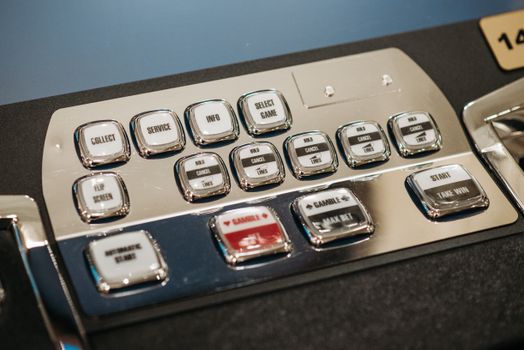
The concept of the “illusion of control” is also at play. Features like “stop” buttons or “nudge” options give the player a sense of influence over the outcome, despite the fact that slot results are determined by a Random Number Generator (RNG) and the timing of the button press has no effect. This illusion encourages players to engage more actively and take more risks, believing their actions may impact the result.
The Role of Losses Disguised as Wins (LDWs)
Losses disguised as wins (LDWs) are outcomes where players receive a payout that is less than their original bet, but the machine responds with celebratory lights and sounds. For example, betting $1.00 and winning $0.30 would still trigger a win animation, even though the player lost $0.70 overall.
Research from the University of British Columbia found that LDWs can distort players’ perception of how much they are actually winning or losing. In one study, participants exposed to frequent LDWs overestimated their win rates by up to 30%. This psychological trick keeps players spinning, as the positive feedback masks the reality of net losses.
Comparison Table: Psychological Features in Slot Machines
| Feature | Description | Impact on Player | Example |
|---|---|---|---|
| Intermittent Reinforcement | Payouts occur at unpredictable intervals | Boosts excitement, increases playtime | Random wins on non-regular spins |
| Near-Misses | Reels stop just short of a big win | Creates illusion of “almost winning”; increases persistence | Two jackpot symbols, third just above payline |
| LDWs | Payouts less than the wager are celebrated as wins | Masks losses, distorts perception of success | Bet $1, win $0.20 with fanfare |
| Sensory Cues | Use of lights, sounds, and animations | Heightens engagement and emotional response | “Big Win!” animations and jingles |
| Illusion of Control | Features that simulate player influence | Encourages risk-taking, longer play | Stop/nudge buttons |
Game Flow and Time-on-Device: Pacing the Experience
Slot machines are designed to keep players engaged for as long as possible. One industry term, “time-on-device,” refers to the average duration a player spends on a single session. The ideal session is neither too short (which would reduce revenue) nor too long (which could cause fatigue).
To achieve this balance, game designers use several pacing techniques:
- $1: Slot spins can be completed in as little as 2.5 seconds, allowing for up to 24 spins per minute. This rapid pace increases the number of bets placed and the potential for more wins (and losses) in a short period. - $1: Frequent bonus features provide intermittent breaks from regular play and maintain interest. According to a 2022 study by Eilers & Krejcik Gaming, slot games with more bonus features have a 15% higher average session length. - $1: Some modern slots use algorithms to adjust the frequency of small wins or features, keeping players engaged without depleting their bankroll too quickly.Responsible Gambling: Recognizing the Signs and Setting Limits
Understanding the psychological strategies behind slot machines can empower players to make more conscious choices. Here are a few practical steps for safer gambling:
- $1: Decide in advance how much you are willing to spend or how long you intend to play. Many online casinos now offer built-in limit-setting tools. - $1: Recognize that not all “wins” are net positives, and that near-misses are random events, not signs of impending luck. - $1: Stepping away from the machine can help disrupt the trance-like state induced by constant play. - $1: Remember that all slot outcomes are determined by RNGs, and there is no skill or “hot streak” involved.The National Council on Problem Gambling reports that over 2 million adults in the U.S. meet criteria for gambling disorder, with slot machines cited as a common source of problematic play. Awareness of the mechanisms at play can help reduce risk and promote healthier gaming habits.
Final Thoughts on Slot Machine Psychology and Player Awareness
Slot machines are more than just games—they are carefully engineered experiences that harness the latest research in psychology and human behavior. By understanding the design choices behind slots, players can better recognize the cues and patterns that influence their actions. While these games can be entertaining, it’s crucial to stay aware of how they operate and to set clear boundaries for responsible play. Remember, the house always has an edge, but knowledge can help you maintain control and enjoy the experience for what it is—a form of entertainment, not a guaranteed way to make money.